Pages

Tuesday, December 5, 2023

Blue Passionflower, Passiflora caerulea

A Poem in Video of Blue Passionflower

The Blue Passionflower, scientifically known as Passiflora caerulea, is a climbing vine native to South America. It is a member of the Passifloraceae family, which also includes other passionflower species.

Here are some key features and information about Passiflora caerulea:

Appearance:
--The plant is known for its distinctive and attractive flowers, which typically have blue or violet petals.
--The flowers are complex and composed of a central structure called the corona, which includes filaments and a central disk.
--The leaves are three-lobed and dark green, and they can add to the ornamental appeal of the plant.

Climbing Habit:
--Passiflora caerulea is a climbing vine that uses tendrils to cling to supporting structures.
--It can climb walls, fences, or trellises, making it a popular choice for vertical gardening or as an ornamental plant.

Fruit:
The plant produces small, egg-shaped fruits that turn yellow when ripe.
While the fruits are not as commonly consumed as those of some other passionflower species, they are edible.

Cultural Significance:
--The passionflower, in general, has cultural significance due to its unique floral structure, which has been interpreted in various ways.
--For example, it is often associated with religious symbolism, representing elements of the Passion of Christ.

Growing Conditions:
--Passiflora caerulea is relatively hardy and can tolerate a range of soil types, as long as they are well-draining.
--It prefers a sunny location but can also thrive in partial shade.
--In colder climates, it may lose its leaves in winter but can resprout in the spring.

Medicinal Uses:
--Some passionflower species, including Passiflora caerulea, have been used in traditional medicine for their potential sedative properties.
--Extracts from the plant have been explored for their calming effects.

Attracting Wildlife:
The flowers of Passiflora caerulea are attractive to butterflies and bees, making it a welcome addition to gardens that aim to support pollinators.

Invasive Potential:
--In some regions, Passiflora caerulea can become invasive, spreading rapidly and displacing native vegetation.
--It's essential to be aware of local regulations and recommendations regarding its cultivation.

When considering planting Passiflora caerulea, it's important to be aware of its growth habits and potential impact on the local ecosystem. Always check with local authorities or gardening experts for guidance on appropriate plant choices for your specific location.

Indian Blanket, Gaillardia pulchella

Indian Blanket, scientifically known as Gaillardia pulchella, is a flowering plant native to North and South America. It belongs to the Asteraceae family, which also includes sunflowers and daisies.

Here are some key characteristics and information about Indian Blanket:

Appearance:
Indian Blanket is known for its vibrant and eye-catching flowers. The blooms have a distinctive appearance, featuring red or orange rays surrounding a central disk of yellow or dark red. The combination of colors gives it a blanket-like appearance, hence the common name "Indian Blanket."

Habitat:
This plant is native to a variety of habitats, including prairies, meadows, and open woodlands. It is well-adapted to sunny and well-drained areas.

Growing Conditions:
Indian Blanket prefers full sunlight but can tolerate partial shade. It thrives in well-drained soil and is relatively drought-tolerant once established. The plant is often found in areas with sandy or gravelly soil.

Blooming Period:
The flowers typically bloom from late spring to late summer, attracting pollinators such as bees and butterflies. Deadheading (removing spent flowers) can encourage prolonged blooming.

Propagation:
Indian Blanket can be propagated by seeds, and it readily self-seeds in favorable conditions. The seeds can be sown directly in the garden, and the plant is known for its ability to naturalize in various landscapes.

Cultural Significance:
Indian Blanket has cultural significance among Native American tribes, and it is sometimes used in traditional medicine.
Additionally, the plant's striking appearance has made it a popular choice for wildflower gardens and landscaping.

Wildlife Attraction:
The bright colors of Indian Blanket flowers make them attractive to pollinators, especially butterflies and bees. The plant contributes to supporting biodiversity in its native habitats.

Cultivars:
There are cultivated varieties of Gaillardia pulchella available in the horticultural trade with variations in flower color and size. These cultivars may be selected for specific landscape preferences.

Indian Blanket is not only valued for its ornamental qualities but also for its ability to enhance biodiversity by supporting pollinators. It is a low-maintenance plant that adds a splash of color to gardens, making it a popular choice for both native plant enthusiasts and gardeners in various regions.

Lenten Rose,Helleborus orientalis

The Lenten Rose, scientifically known as Helleborus orientalis, is a perennial flowering plant native to Greece and Turkey. It belongs to the Helleborus genus and is a member of the Ranunculaceae family.

Here are some key features and information about the Lenten Rose:

Appearance:
Flowers: Lenten Roses produce showy, cup-shaped flowers that range in color from white and pink to purple, burgundy, and green. The flowers often have a nodding or drooping habit.
Foliage: The plant has attractive, leathery, evergreen foliage with toothed, palmate leaves.

Blooming Time:
As the name suggests, Lenten Roses typically bloom during the Lenten season, which occurs in late winter to early spring. The exact flowering time can vary depending on the climate and local conditions.

Growing Conditions:
Sunlight: Lenten Roses prefer partial to full shade, making them suitable for woodland gardens or shaded areas.
Soil: They thrive in well-draining, rich, and moist soil. They can tolerate slightly alkaline to slightly acidic soil.
Watering: Adequate moisture is essential, especially during dry periods.

Hardiness:
Lenten Roses are generally hardy plants that can tolerate cold temperatures. They are well-suited for gardens in temperate climates.

Toxicity:
All parts of the Lenten Rose plant contain compounds that can be toxic if ingested. It's important to exercise caution and keep the plant away from pets and small children.

Maintenance:
Lenten Roses are relatively low-maintenance. Removing old, damaged leaves in late winter or early spring can help showcase the flowers.

Propagation:
Lenten Roses can be propagated by division or from seed. Division is typically done in early spring.

Companion Plants:
They pair well with other shade-loving plants such as hostas, ferns, and astilbes.

Lenten Roses are valued for their early bloom, providing color and interest to the garden when many other plants are still dormant. Gardeners appreciate them for their adaptability to shade, long-lasting flowers, and overall resilience.

Stemless Gentian, Gentiana acaulis

The stemless gentian, scientifically known as Gentiana acaulis, is a perennial herbaceous plant that belongs to the family Gentianaceae. This plant is native to the mountainous regions of central and southern Europe, where it thrives in alpine meadows and rocky slopes.

Here are some key characteristics and information about the stemless gentian:

Appearance:
--The stemless gentian is aptly named because it lacks a visible above-ground stem.
Instead, it has a rosette of basal leaves that are typically lance-shaped and dark green.
--The plant produces solitary, trumpet-shaped flowers that can be rich blue, violet, or purple in color. Occasionally, pink or white varieties can also be found.

Habitat:
--Stemless gentians prefer well-drained, acidic soils and are commonly found in alpine and subalpine environments.
--They are adapted to harsh conditions, including rocky soils and cold temperatures.

Flowering:
--The flowering period for stemless gentians is usually in late spring to early summer, depending on the specific climate and location.

Cultivation:
--Stemless gentians are popular ornamental plants in gardens, particularly in rock gardens or alpine gardens.
--They can be challenging to cultivate because they require specific conditions, such as well-drained soil, cool temperatures, and adequate moisture.

Ecological Importance:
--In their native habitats, stemless gentians can play a role in supporting pollinators.
The tubular flowers are adapted for pollination by insects, such as bees, which can access the nectar at the base of the flowers.

Medicinal Uses:
--Traditionally, some gentian species, including Gentiana acaulis, have been used in herbal medicine. The roots of these plants are sometimes employed for their bitter properties, which are believed to stimulate digestion.

Conservation Status:
--Depending on the region, stemless gentians may face threats due to habitat destruction, climate change, or over-collection. Some species may be listed as endangered or vulnerable.

When considering growing stemless gentians in a garden setting, it's important to research the specific needs of the plant, as they require conditions that mimic their natural habitat. Additionally, being aware of the conservation status and any legal restrictions on the collection of wild specimens is crucial for promoting sustainable gardening practices.

Monday, December 4, 2023

Jade Vine, Strongylodon macrobotrys

Unveiling the Marvels of the Jade Vine

Discover the enchanting allure of the Jade Vine
-- Aa botanical marvel found in the depths of tropical rainforests.
--With its vibrant blue-green flowers and long cascading vines, it effortlessly captivates all who behold it.
--The unique claw-shaped petals add an element of intrigue, making it a truly remarkable sight to behold.

The Jade Vine, a plant native to the Philippines, specifically thrives in the Mount Hamiguitan Range Wildlife Sanctuary located in the province of Davao Oriental.

Cultivating your very own Jade Vine at home
. --With the right climate conditions, proper watering, and careful fertilization techniques, you can create a thriving oasis in your own space.
--Embrace nature's beauty and bring a touch of lush greenery into your life with the magnificent Jade Vine.

The symbolism and significance of the jade vine
--They are prevalent in various cultures.
--In Filipino culture, it is highly revered for its symbolism of love and fertility. It is believed to bring good fortune and prosperity to relationships.
--Similarly, in other traditions, the jade vine holds associations with love and fertility, becoming a powerful symbol that transcends geographical boundaries.
--Its beauty and cultural importance make it a cherished symbol in many different societies.

Conservation efforts
--They play a vital role in preserving the endangered jade vine species.
--By implementing jade vine conservation projects, we can protect their natural habitats and ensure their survival for future generations.
--It is crucial to raise awareness about these endangered species, highlighting their importance in maintaining biodiversity.

Together, we can make a significant impact in safeguarding the jade vine and other endangered species from extinction.

Asiatic dayflower, Commelina communis

The Asiatic dayflower, scientifically known as Commelina communis, is a herbaceous plant that belongs to the Commelinaceae family. It is native to Asia but has become widespread in many parts of the world.

Here are some key characteristics and information about the Asiatic dayflower:

Habitat and Distribution:
--The Asiatic dayflower is commonly found in open areas, gardens, fields, and along roadsides.
--It is native to East Asia but has been introduced to other regions, including North America and Europe.

Physical Characteristics:
--The plant typically reaches a height of about 30 to 60 cm (12 to 24 inches).
--It has lance-shaped leaves that are arranged alternately along the stem.
--The flowers are small, usually about 1 to 2 cm in diameter, and have three petals.
--The two upper petals are bright blue, while the lower petal is smaller and white.
--The flowers bloom for a short period, usually in the morning, and tend to fade by the afternoon.

Reproduction:
--The Asiatic dayflower reproduces both by seed and vegetatively through its creeping, rooting stems (rhizomes).
--The seeds are dispersed by various means, including water, animals, and human activities.

Invasiveness:
--In some regions, the Asiatic dayflower is considered an invasive weed because of its ability to spread rapidly and outcompete native vegetation.

Cultural Significance:
--While it is considered a weed in many areas, the Asiatic dayflower has some uses in traditional medicine in certain cultures.

Control Measures:
--Due to its invasive nature, control measures may be implemented to manage the spread of Asiatic dayflower. This may include manual removal, herbicide application, or other methods depending on the specific situation.

It's important to note that the Asiatic dayflower should be managed carefully to prevent its negative impact on native ecosystems. If you have specific concerns or interests regarding this plant in a particular region, it's advisable to consult local agricultural or environmental authorities for guidance on control and management strategies.

Three Varieties of Douglas Fir, Pseudotsuga menziesii

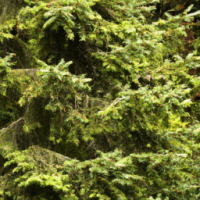
The Douglas Fir (Pseudotsuga menziesii) is a coniferous tree species that is native to western North America. There are three varieties of Douglas Fir coast Douglas-fir (P. menziesii var. menziesii), Rocky Mountain Douglas-fir (P. menziesii var. glauca) and Mexican Douglas-fir (P. menziesii var. lindleyana).

Coast Douglas-fir (Pseudotsuga menziesii var. menziesii):

-This variety is commonly found along the Pacific Coast of North America, from west-central British Columbia to central California.
-It is the most widespread and commercially important variety of Douglas Fir.
-Coast Douglas-fir is a large tree, often reaching heights of 200 feet (60 meters) or more. It has a straight trunk and is valued for its timber.

Photo is "Rocky Mountains Douglas-fir Tree" by pasa47 is licensed under CC BY 2.0.

Rocky Mountain Douglas-fir (Pseudotsuga menziesii var. glauca):

-This variety is found in the Rocky Mountains and other mountainous regions of western North America.
-It tends to be smaller in stature compared to Coast Douglas-fir but still reaches impressive heights.
-Rocky Mountain Douglas-fir is also used for timber production, although it may not be as large or commercially significant as Coast Douglas-fir.

Mexican Douglas-fir (Pseudotsuga menziesii var. lindleyana):

-This variety is found in Mexico and may also extend into parts of Guatemala and Honduras.
-Mexican Douglas-fir is typically a smaller tree compared to the other varieties, and it has adaptations to the different environmental conditions found in its range.
-It is less commonly harvested for timber on a large scale.

These varieties exhibit some differences in their characteristics, including size, growth habits, and adaptations to their respective environments. The Coast Douglas-fir, being the most widespread and commercially valuable, is often the focus of forestry and timber management efforts.